
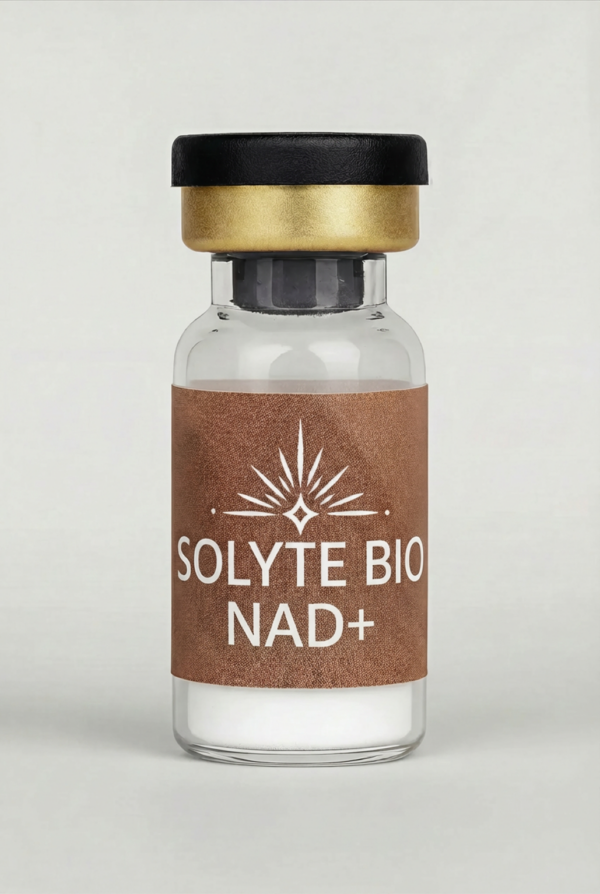
NAD+ (Nicotinamide Adenine Dinucleotide) – Research Use Only
Overview
NAD+ is an essential coenzyme found in every living cell. It plays a major role in cellular energy production, metabolism, and overall cell function. Research commonly focuses on how NAD+ supports mitochondrial activity, helps regulate cellular repair processes, and influences pathways linked to aging and metabolic health. Because of these functions, NAD+ is widely used in studies exploring energy balance, DNA repair, and longevity biology.
Background
NAD⁺ works by switching between two forms, NAD+ (oxidized) and NADH (reduced), to help the cell transfer energy efficiently. It is a key part of the citric acid cycle and the electron transport chain, both of which power the cell.
Laboratory studies have shown that NAD+ levels naturally decline with stress and aging. This decline affects important pathways involving:
-
Sirtuins (cellular health and longevity)
-
PARPs (DNA repair)
-
Mitochondrial function
Because of this, NAD+ restoration and supplementation are active areas of research in metabolism, neurology, and age-related biology.
Common Research Uses
-
Studying cellular metabolism and mitochondrial energy production
-
Exploring sirtuin and PARP enzyme pathways
-
Investigating oxidative stress and DNA repair responses
Product Specifications
-
Chemical Name: β-Nicotinamide Adenine Dinucleotide (oxidized form)
-
Molecular Formula: C₂₁H₂₇N₇O₁₄P₂
-
Molecular Weight: 663.4 g/mol
-
Form: Lyophilized powder
-
Purity: ≥ 99% (HPLC)
-
Storage: –20 °C (long-term)
-
Solubility: Sterile water or phosphate-buffered saline (PBS)



Reviews
There are no reviews yet.